Loading...
Serving National City, CA and surrounding areas. (858) 599-0449
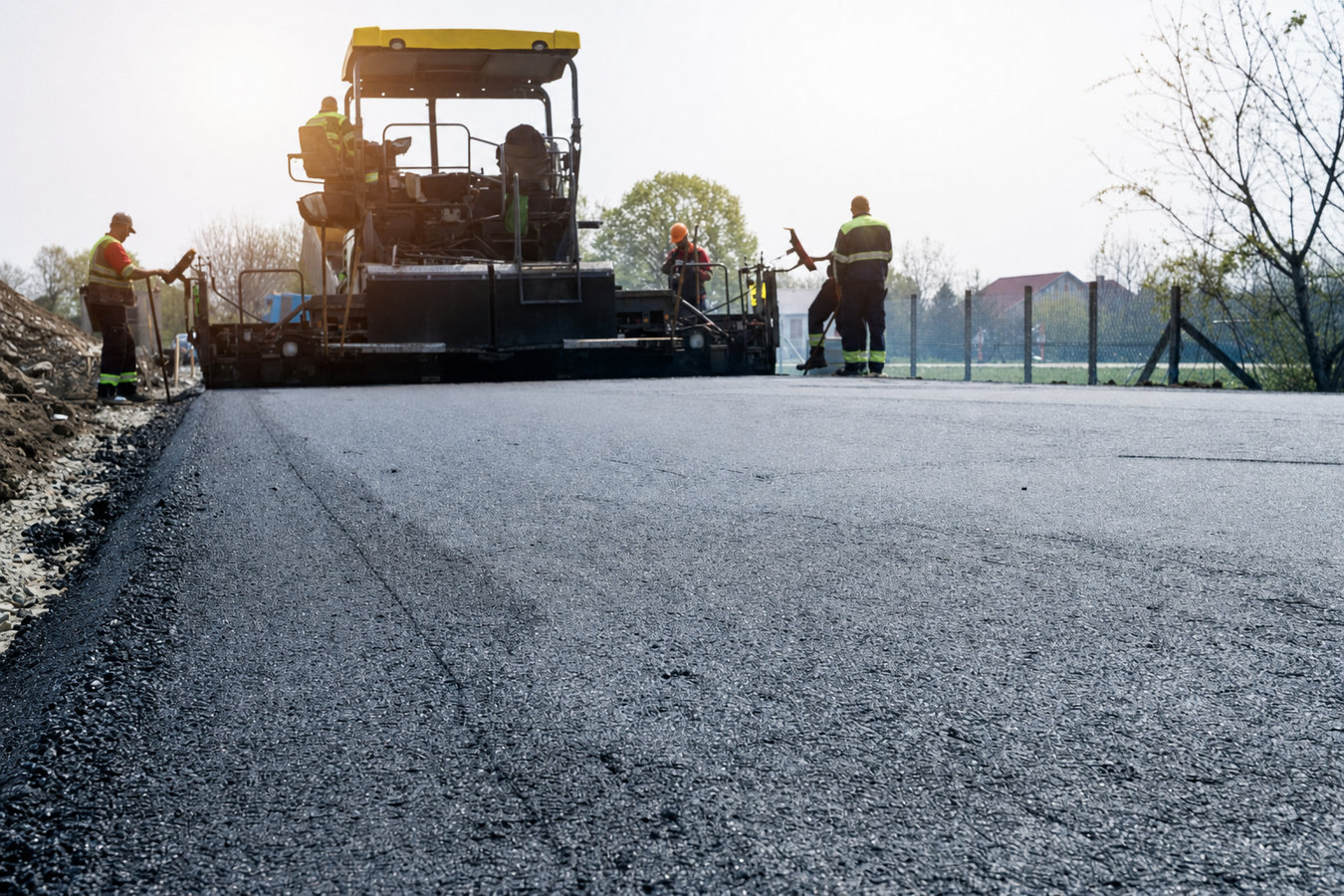
Cracks and potholes get worse every time it rains. We repair asphalt in National City fast and properly - so you stop the damage before it costs three times as much to fix.
Asphalt repair in National City means removing or treating damaged sections of a driveway or parking area and replacing them with fresh material that bonds to the surrounding pavement. Most residential jobs wrap up in a single day, and the repaired surface needs at least 24 hours before you drive on it. The approach ranges from filling a single crack to cutting out and rebuilding an entire section from the base up.
In National City, timing matters more than most people realize. The combination of intense UV exposure that dries out asphalt binder and expansive clay soils that shift with moisture means small cracks grow faster here than in cooler or drier climates. Catching damage early - before the rainy season pushes water into an open crack and softens the base - is almost always cheaper than waiting. Depending on what the assessment finds, we may recommend pairing the repair with asphalt crack sealing across the rest of the surface to protect areas that are not yet damaged but are showing early signs of wear.
A repair that is done right starts with preparation - cleaning out loose material, cutting clean edges, and compacting the base before new asphalt goes in. Skipping those steps is why patches fail within a year. We do not skip them.
Cracks that were small last year and are noticeably larger now are a sign the damage is progressing. In National City, the combination of UV exposure and clay soil movement means cracks tend to grow faster than in cooler, cloudier climates - catching them early is almost always cheaper.
A hole or depression in the surface means the base beneath has failed or shifted, not just the top layer. Driving over a pothole repeatedly makes it larger and can damage vehicle tires and suspension. This kind of damage needs prompt attention, not a wait-and-see approach.
When you see interconnected cracks that look like the skin of an alligator, the base beneath that section has lost its ability to support the surface. This pattern is common in areas where water has gotten in through smaller cracks and softened the ground below after National City's winter rains.
Standing water on your driveway after a rain event means the surface is no longer draining properly - either because it has settled unevenly or because cracks and low spots have developed. That pooled water works its way into the base during National City's rainy season and accelerates breakdown from below.
We handle asphalt repair for driveways, private parking areas, and shared access lanes throughout National City. Depending on what the damage assessment reveals, we use surface patching for shallow, isolated damage or full-depth repair when the base material itself needs to be rebuilt. We will always tell you which approach is right for your situation rather than defaulting to the more expensive option. When cracks are widespread but the base is still solid, pairing targeted repairs with asphalt crack sealing across the rest of the surface is often the most cost-effective way to extend the pavement's life.
For areas with widespread failure - where repairs would cover most of the surface - we may recommend that a full resurfacing or replacement makes more economic sense. We also handle pothole repair as a standalone service when the damage is concentrated and the surrounding pavement is still in decent shape.
Best for isolated cracks or shallow damage where the underlying base is still structurally sound.
For damage that has compromised the base - we cut out the failed section, rebuild the sub-base, and relay fresh asphalt.
Quick, targeted fixes for holes and depressions that create hazards for vehicles and pedestrians.
Addressing the interconnected crack patterns that signal base failure before the damaged area continues to spread.
Two forces are constantly working against asphalt in National City: the sun above and the soil below. Southern California's intense UV breaks down the binder that holds asphalt together, turning it gray and brittle faster than in most of the country. At the same time, the clay-heavy soils common throughout the South Bay expand when wet and contract when dry, pushing up against pavement from beneath. A repair that does not account for both of these forces will fail faster than expected. That is why a quick cosmetic patch rarely holds here - the repair needs to address what is actually driving the damage. Homeowners across Spring Valley deal with the same clay soil issues, and we bring that same understanding to every job in National City.
Timing repairs before the rainy season - roughly December through March - is one of the smartest moves a National City homeowner can make. Open cracks are an entry point for water, and once water gets into the base material during a wet spell, damage accelerates quickly. A repair scheduled in the fall costs a fraction of what the same damage will cost after a wet winter. Neighbors in Chula Vista face the same seasonal timing challenge, and we schedule proactively to help property owners get ahead of it.
Call or message us with a description of the damage - cracks, potholes, pooling water, or general deterioration. We reply within one business day and schedule a free on-site visit to look at the damage in person.
We walk the damaged area, check the depth and pattern of the damage, and evaluate the base condition. You get a written estimate that explains what work will be done and why - no guesswork, no inflated scope.
The crew removes loose or failed material, cuts clean edges around the damaged area, and compacts the base if needed. Fresh asphalt is placed, leveled, and compacted. Most residential repairs are done in a few hours to a full day.
Keep vehicles off the repaired area for at least 24 hours - we will give you the specific timeline. We also advise on sealing the surface six to twelve months after the repair to protect it from Southern California sun and help the patch blend with the rest of the driveway.
Free estimate. No obligation. We reply within one business day.
(858) 599-0449We always clean out loose material, cut clean edges, and compact the base before placing new asphalt. That preparation step is what separates repairs that hold from repairs that fail within a year or two.
We work regularly throughout National City and the South Bay, so we understand how clay soils and intense UV combine to damage asphalt here differently than in other regions. That shapes how we approach every repair assessment.
We tell you upfront whether a repair will hold or whether the base failure is too widespread to patch economically. You will never get a recommendation to replace everything when a targeted fix will do - and you will never be sold a patch when the situation clearly calls for more. Learn more from the National Asphalt Pavement Association about pavement maintenance standards.
We help National City property owners plan repairs in the fall, before December rain arrives and turns surface cracks into base damage. Early scheduling protects your pavement and often avoids the higher cost of repairing after a wet season.
We know this city and we know how its climate treats asphalt. Every repair we do is built to last through Southern California's UV exposure and the seasonal ground movement that challenges pavements in this part of San Diego County.
Seal surface cracks across the rest of your pavement to prevent water from getting in before the rainy season.
Learn MoreTargeted pothole fixes for concentrated damage that is creating hazards without requiring a full repair scope.
Learn MoreEvery week an open crack sits in National City sun and rain, the repair gets more expensive. Call us today for a free estimate.